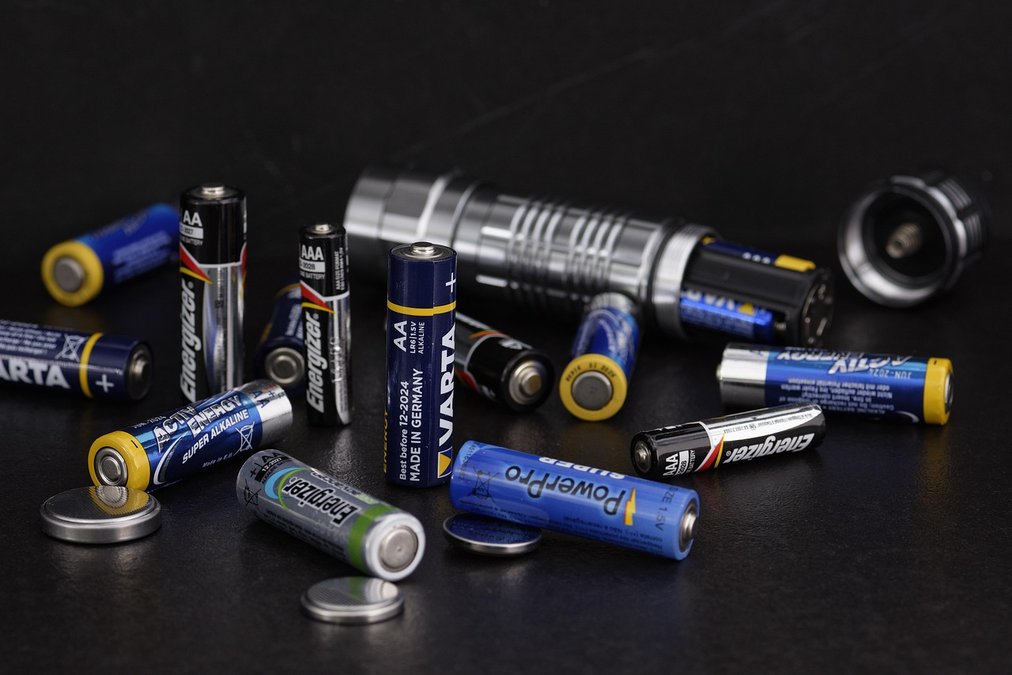
배터리와 에너지 저장 기술은 전기차 시대를 여는 핵심 열쇠입니다. 최근 arXiv에 발표된 세 편의 연구 논문은 각기 다른 접근 방식으로 에너지 저장 및 변환 기술의 미래를 제시하고 있습니다. 다이아몬드 필름의 전기화학적 특성 개선, 연료전지용 양극판 제조 기술의 혁신, 그리고 새로운 자성 물질의 발견까지, 이들 연구는 배터리 산업의 다음 단계를 준비하는 중요한 발판이 될 것으로 보입니다.
다이아아몬드가 전자 소자로 변신하다
다이아몬드라고 하면 보통 보석을 떠올리지만, 과학자들은 이 단단한 물질을 전자 부품으로 만들려는 연구를 진행하고 있습니다. 특히 수소로 표면을 처리한 다이아몬드 필름은 전기가 잘 통하는 특성을 가지고 있어, 화학 센서나 바이오 센서로 활용될 가능성이 큽니다.
N. Mohasin Sulthana와 연구팀은 수소로 처리된 다이아몬드 필름의 전기화학적 특성을 연구했습니다. 이들이 주목한 문제는 수소 처리된 다이아몬드 표면이 물을 밀어내는 소수성을 가진다는 점이었습니다. 물을 밀어낸다는 것은 표면이 젖지 않는다는 뜻인데, 이는 센서나 전자 소자로 사용할 때 성능을 떨어뜨릴 수 있습니다.
연구팀은 다이아몬드 표면에 산소 작용기를 부분적으로 추가하는 방법을 시도했습니다. 산소 작용기란 산소 원자가 포함된 화학 구조를 말하는데, 이를 추가하면 표면이 물과 친해지는 친수성으로 바뀝니다. 마치 기름때가 낀 접시에 세제를 뿌리면 물이 잘 퍼지는 것과 비슷한 원리입니다.
이 연구는 고분자 전해질을 이용한 전계효과 트랜지스터를 제작하여 실험했습니다. 전계효과 트랜지스터는 전압을 걸어서 전류의 흐름을 조절하는 스위치 같은 소자입니다. 연구팀은 라만 분광법이라는 기술을 사용해 다이아몬드 표면에서 일어나는 화학 반응을 실시간으로 관찰했습니다. 라만 분광법은 빛을 쏘아서 물질의 구조를 분석하는 방법으로, 마치 물질에게 질문을 던지고 답을 듣는 것과 같습니다.
이 연구의 의미는 다이아몬드 기반 전자 소자의 성능을 개선할 수 있는 구체적인 방법을 제시했다는 점입니다. 다이아몬드는 열에 강하고 화학적으로 안정적이며 전기적 특성도 우수해서, 극한 환경에서 작동하는 센서나 고성능 전자 부품으로 활용될 수 있습니다. 특히 배터리 관리 시스템이나 전기차의 전력 제어 장치에 사용될 경우, 더 높은 온도와 전압에서도 안정적으로 작동할 수 있어 시스템 전체의 효율과 안전성을 높일 수 있습니다.
연료전지의 심장, 양극판 제조 기술의 진화
수소 연료전지는 수소와 산소를 반응시켜 전기를 만드는 장치입니다. 이 과정에서 배출되는 것은 물뿐이라 친환경 에너지원으로 주목받고 있습니다. 특히 고분자 전해질 막 연료전지는 전기차나 발전소에 사용될 수 있는 유망한 기술입니다.
Zahra Kazemi와 Kamran Behdinan은 연료전지의 핵심 부품인 양극판 제조 기술을 검토한 리뷰 논문을 발표했습니다. 양극판은 연료전지 내부에서 전기를 전달하고 수소와 산소를 공급하는 통로 역할을 합니다. 마치 우리 몸의 혈관이 산소와 영양분을 운반하는 것처럼, 양극판은 연료전지의 성능을 좌우하는 중요한 요소입니다.
연구자들은 양극판의 효율성, 수명, 그리고 가격이 연료전지 전체의 경쟁력을 결정한다고 강조합니다. 특히 양극판 표면에 새겨진 유로 채널의 형태가 성능에 큰 영향을 미칩니다. 유로 채널은 수소와 산소가 흐르는 길인데, 이 길의 모양과 크기에 따라 가스가 얼마나 효율적으로 반응하는지가 달라집니다.
이 논문은 최신 제조 방법들을 소개하면서, 기존의 전통적인 유로 채널 설계를 넘어서는 새로운 접근법들을 다룹니다. 예를 들어 3D 프린팅 기술을 활용하면 복잡한 형태의 유로 채널을 정밀하게 만들 수 있고, 레이저 가공이나 에칭 기술을 사용하면 더 얇고 가벼운 양극판을 제작할 수 있습니다.
연료전지 기술의 발전은 배터리 기술과 상호보완적입니다. 배터리는 전기를 저장했다가 사용하는 반면, 연료전지는 수소를 연료로 사용해 필요할 때마다 전기를 생산합니다. 전기차의 경우 배터리만으로는 충전 시간이 길고 주행 거리가 제한적인 반면, 연료전지를 함께 사용하면 빠른 충전과 긴 주행 거리를 동시에 달성할 수 있습니다. 따라서 양극판 제조 기술의 개선은 수소 전기차의 상용화를 앞당기는 데 기여할 것입니다.
압전 기판 위에 자란 헤마타이트 박막의 비밀
Maximilian Mihm과 연구팀은 리튬 나이오베이트라는 압전 물질 위에 헤마타이트 박막을 성장시키는 연구를 진행했습니다. 헤마타이트는 산화철의 한 형태로, 붉은색을 띠는 광물입니다. 압전 물질은 압력을 가하면 전기가 발생하고, 반대로 전기를 가하면 변형되는 특성을 가진 물질입니다.
연구팀은 펄스 레이저 증착법이라는 기술을 사용해 헤마타이트 박막을 만들었습니다. 이 방법은 레이저로 재료를 증발시켜 기판 위에 얇은 막을 형성하는 기술입니다. 마치 스프레이로 페인트를 뿌리듯이, 원하는 물질을 기판 위에 정밀하게 쌓아 올릴 수 있습니다.
이 연구가 흥미로운 이유는 헤마타이트가 새롭게 발견된 알터마그넷이라는 자성 물질의 일종이기 때문입니다. 알터마그넷은 기존의 강자성체나 반강자성체와는 다른 독특한 자기적 특성을 가지고 있어, 차세대 스핀트로닉스 소자에 응용될 가능성이 있습니다. 스핀트로닉스는 전자의 전하뿐만 아니라 스핀이라는 자기적 성질을 이용하는 기술로, 더 빠르고 에너지 효율이 높은 전자 소자를 만들 수 있습니다.
압전 기판 위에 자성 박막을 성장시키는 것은 배터리 기술과 직접적인 연관은 적지만, 에너지 저장 시스템의 제어 및 센싱 기술에 활용될 수 있습니다. 예를 들어 배터리의 충전 상태나 온도를 정밀하게 감지하는 센서를 만들 때, 압전 소자와 자성 박막을 결합하면 더 민감하고 정확한 측정이 가능합니다. 또한 전기차의 진동이나 충격을 감지하여 배터리를 보호하는 시스템에도 응용될 수 있습니다.
세 연구가 그리는 에너지 저장의 미래
이 세 편의 논문은 각각 다른 주제를 다루지만, 모두 에너지 저장 및 변환 기술의 발전을 위한 기초 연구라는 공통점이 있습니다. 다이아몬드 필름 연구는 고성능 전자 소자의 가능성을 열었고, 연료전지 양극판 연구는 수소 경제 시대의 핵심 부품 제조 기술을 정리했으며, 헤마타이트 박막 연구는 새로운 물질의 특성을 탐구했습니다.
배터리 기술의 발전은 단순히 에너지 밀도를 높이는 것만이 아닙니다. 배터리를 더 안전하게 관리하고, 더 오래 사용할 수 있게 만들며, 제조 비용을 낮추는 모든 과정이 기술 발전에 포함됩니다. 이를 위해서는 소재 과학, 전기화학, 제조 공정, 센서 기술 등 다양한 분야의 연구가 필요합니다.
전기차 시장이 빠르게 성장하면서 배터리 수요도 급증하고 있습니다. 하지만 배터리만으로는 모든 에너지 문제를 해결할 수 없습니다. 수소 연료전지와 같은 대안 기술도 함께 발전해야 하며, 이를 뒷받침하는 전자 소자와 센서 기술도 중요합니다. 이번에 소개한 연구들은 이러한 다양한 기술이 서로 연결되어 있음을 보여줍니다.
기초 연구에서 상용화까지의 여정
arXiv에 발표된 이들 논문은 아직 초기 단계의 기초 연구입니다. 실험실에서 증명된 기술이 실제 제품으로 나오기까지는 많은 시간과 추가 연구가 필요합니다. 하지만 이러한 기초 연구가 쌓여야 혁신적인 기술이 탄생할 수 있습니다.
다이아몬드 필름 기술이 상용화되려면 대량 생산 공정을 개발하고 비용을 낮춰야 합니다. 현재 다이아몬드 필름은 제조 비용이 높아 특수한 용도에만 사용되지만, 공정 기술이 발전하면 더 넓은 분야에 적용될 수 있습니다. 연료전지 양극판의 경우 제조 기술은 이미 어느 정도 성숙했지만, 내구성을 높이고 비용을 낮추는 것이 여전히 과제입니다. 헤마타이트 박막 연구는 아직 물질의 기본 특성을 이해하는 단계이므로, 실제 응용까지는 더 많은 연구가 필요합니다.
배터리 산업은 빠르게 변화하고 있지만, 근본적인 혁신은 이러한 기초 연구에서 시작됩니다. 새로운 소재를 발견하고, 그 특성을 이해하며, 제조 방법을 개선하는 모든 과정이 모여 차세대 배터리와 에너지 저장 시스템을 만들어냅니다.
한국 배터리 산업에 주는 시사점
한국은 세계 최고 수준의 배터리 제조 기술을 보유하고 있습니다. LG에너지솔루션, 삼성SDI, SK온 등 국내 기업들은 전기차용 배터리 시장에서 선두를 달리고 있습니다. 하지만 중국과 유럽의 추격이 거세지면서 기술 우위를 유지하기 위한 지속적인 연구개발이 필요합니다.
이번에 소개한 연구들처럼, 배터리 주변 기술에 대한 투자도 중요합니다. 배터리 관리 시스템, 센서 기술, 연료전지 부품 등은 전기차와 에너지 저장 시스템의 경쟁력을 높이는 핵심 요소입니다. 특히 다이아몬드 기반 전자 소자와 같은 고온 고전압 환경에서 작동하는 부품은 차세대 전기차의 성능을 크게 향상시킬 수 있습니다.
또한 수소 경제 시대를 대비한 연료전지 기술 개발도 시급합니다. 현대자동차는 수소 전기차 넥쏘를 출시하며 이 분야에서 앞서가고 있지만, 연료전지의 핵심 부품인 양극판 제조 기술은 여전히 개선의 여지가 많습니다. 국내 연구기관과 기업들이 협력하여 새로운 제조 방법을 개발한다면, 글로벌 시장에서 경쟁력을 더욱 강화할 수 있을 것입니다.
미래를 준비하는 연구자들
arXiv는 전 세계 연구자들이 자신의 연구 결과를 빠르게 공유하는 플랫폼입니다. 정식 학술지에 게재되기 전에 논문을 공개함으로써, 다른 연구자들과 빠르게 소통하고 피드백을 받을 수 있습니다. 이번에 소개한 세 편의 논문도 각각 인도, 캐나다, 독일의 연구팀이 발표한 것으로, 전 세계적으로 배터리와 에너지 기술에 대한 연구가 활발히 진행되고 있음을 보여줍니다.
이러한 국제적인 연구 동향을 주시하는 것은 한국 배터리 산업의 미래를 준비하는 데 필수적입니다. 기초 연구 단계에서 나타나는 새로운 아이디어와 기술들이 몇 년 후에는 시장을 바꾸는 혁신으로 이어질 수 있기 때문입니다. 국내 연구자들도 이러한 글로벌 연구 커뮤니티에 적극적으로 참여하여, 최신 기술 동향을 파악하고 협력 기회를 모색해야 합니다.
배터리 기술의 미래는 단일 기술의 발전이 아니라, 다양한 분야의 기술이 융합되어 만들어집니다. 소재 과학, 화학, 물리학, 기계공학, 전자공학 등 여러 분야의 연구자들이 협력할 때 진정한 혁신이 일어납니다. 이번에 소개한 연구들도 각자의 분야에서 작은 진전을 이루었지만, 이러한 작은 발걸음들이 모여 에너지 저장 기술의 큰 도약을 만들어낼 것입니다.
Battery and energy storage technologies are the key to opening the era of electric vehicles. Three recent research papers published on arXiv present the future of energy storage and conversion technologies through different approaches. From improving electrochemical properties of diamond films to innovating bipolar plate manufacturing for fuel cells and discovering new magnetic materials, these studies provide important stepping stones for preparing the next phase of the battery industry.
Transforming Diamond into Electronic Devices
When we think of diamond, we usually imagine gemstones, but scientists are conducting research to turn this hard material into electronic components. In particular, hydrogen-terminated diamond films have excellent electrical conductivity, making them potentially useful as chemical sensors or biosensors.
N. Mohasin Sulthana and her research team studied the electrochemical properties of hydrogen-terminated diamond films. The problem they focused on was that hydrogen-terminated diamond surfaces have hydrophobic properties that repel water. Being water-repellent means the surface doesn’t get wet, which can reduce performance when used as sensors or electronic devices.
The research team tried adding oxygen functional groups partially to the diamond surface. Oxygen functional groups are chemical structures containing oxygen atoms, and adding them changes the surface to hydrophilic, making it water-friendly. It’s similar to how water spreads well on a greasy plate when you spray detergent on it.
This study fabricated polymer electrolyte-gated field effect transistors for experiments. Field effect transistors are switch-like devices that control current flow by applying voltage. The research team used Raman spectroscopy to observe chemical reactions occurring on the diamond surface in real-time. Raman spectroscopy is a method of analyzing material structure by shining light, like asking questions to the material and hearing answers.
The significance of this research is that it presented specific methods to improve the performance of diamond-based electronic devices. Diamond is heat-resistant, chemically stable, and has excellent electrical properties, so it can be used as sensors operating in extreme environments or high-performance electronic components. Particularly when used in battery management systems or power control devices for electric vehicles, it can operate stably even at higher temperatures and voltages, improving the efficiency and safety of the entire system.
Evolution of Bipolar Plate Manufacturing Technology, the Heart of Fuel Cells
Hydrogen fuel cells are devices that generate electricity by reacting hydrogen and oxygen. Since only water is emitted in this process, they are attracting attention as environmentally friendly energy sources. In particular, polymer electrolyte membrane fuel cells are promising technology that can be used in electric vehicles or power plants.
Zahra Kazemi and Kamran Behdinan published a review paper examining bipolar plate manufacturing technology, a core component of fuel cells. Bipolar plates serve as pathways for transmitting electricity and supplying hydrogen and oxygen inside fuel cells. Just as blood vessels in our body transport oxygen and nutrients, bipolar plates are important factors that determine fuel cell performance.
The researchers emphasize that the efficiency, lifespan, and price of bipolar plates determine the competitiveness of the entire fuel cell. In particular, the shape of flow channels engraved on the bipolar plate surface greatly affects performance. Flow channels are paths where hydrogen and oxygen flow, and the efficiency of gas reaction varies depending on the shape and size of these paths.
This paper introduces the latest manufacturing methods while covering new approaches that go beyond traditional flow channel designs. For example, using 3D printing technology, complex-shaped flow channels can be precisely created, and using laser processing or etching technology, thinner and lighter bipolar plates can be manufactured.
The development of fuel cell technology is complementary to battery technology. While batteries store and use electricity, fuel cells produce electricity whenever needed using hydrogen as fuel. For electric vehicles, batteries alone have long charging times and limited driving ranges, but using fuel cells together can achieve both fast charging and long driving distances. Therefore, improvements in bipolar plate manufacturing technology will contribute to accelerating the commercialization of hydrogen electric vehicles.
Secrets of Hematite Thin Films Grown on Piezoelectric Substrates
Maximilian Mihm and his research team conducted research on growing hematite thin films on lithium niobate, a piezoelectric material. Hematite is a form of iron oxide, a reddish-colored mineral. Piezoelectric materials generate electricity when pressure is applied, and conversely deform when electricity is applied.
The research team created hematite thin films using pulsed laser deposition technology. This method is a technique that forms thin films on substrates by evaporating materials with lasers. Like spraying paint, desired materials can be precisely stacked on substrates.
This research is interesting because hematite is a type of newly discovered magnetic material called altermagnet. Altermagnets have unique magnetic properties different from existing ferromagnets or antiferromagnets, with potential applications in next-generation spintronic devices. Spintronics is technology that uses not only the charge of electrons but also their magnetic property called spin, enabling faster and more energy-efficient electronic devices.
Growing magnetic thin films on piezoelectric substrates has less direct connection to battery technology, but can be applied to control and sensing technologies for energy storage systems. For example, when making sensors that precisely detect battery charge state or temperature, combining piezoelectric devices and magnetic thin films enables more sensitive and accurate measurements. It can also be applied to systems that protect batteries by detecting vibrations or impacts in electric vehicles.
The Future of Energy Storage Drawn by Three Studies
These three papers cover different topics but share the commonality of being basic research for advancing energy storage and conversion technologies. Diamond film research opened possibilities for high-performance electronic devices, fuel cell bipolar plate research organized core component manufacturing technologies for the hydrogen economy era, and hematite thin film research explored properties of new materials.
Battery technology development is not simply about increasing energy density. All processes that make batteries safer to manage, longer-lasting, and lower manufacturing costs are included in technology development. This requires research in various fields such as materials science, electrochemistry, manufacturing processes, and sensor technology.
As the electric vehicle market grows rapidly, battery demand is also surging. However, batteries alone cannot solve all energy problems. Alternative technologies such as hydrogen fuel cells must also develop together, and supporting electronic devices and sensor technologies are important. The research introduced here shows that these various technologies are interconnected.
Journey from Basic Research to Commercialization
These papers published on arXiv are still early-stage basic research. It takes much time and additional research for technologies proven in laboratories to become actual products. However, such basic research must accumulate for innovative technologies to be born.
For diamond film technology to be commercialized, mass production processes must be developed and costs lowered. Currently, diamond films are used only for special purposes due to high manufacturing costs, but as process technology advances, they can be applied to broader fields. For fuel cell bipolar plates, manufacturing technology is already somewhat mature, but improving durability and lowering costs remain challenges. Hematite thin film research is still at the stage of understanding basic material properties, so more research is needed for actual applications.
The battery industry is changing rapidly, but fundamental innovation starts from such basic research. All processes of discovering new materials, understanding their properties, and improving manufacturing methods come together to create next-generation batteries and energy storage systems.
Implications for Korea’s Battery Industry
Korea possesses world-class battery manufacturing technology. Domestic companies such as LG Energy Solution, Samsung SDI, and SK On are leading the electric vehicle battery market. However, as China and Europe pursue aggressively, continuous research and development are needed to maintain technological superiority.
Like the research introduced here, investment in battery-related technologies is also important. Battery management systems, sensor technologies, and fuel cell components are key factors that enhance the competitiveness of electric vehicles and energy storage systems. In particular, components operating in high-temperature, high-voltage environments such as diamond-based electronic devices can greatly improve next-generation electric vehicle performance.
Also, developing fuel cell technology in preparation for the hydrogen economy era is urgent. Hyundai Motor is leading in this field by launching the hydrogen electric vehicle Nexo, but bipolar plate manufacturing technology, a core fuel cell component, still has room for improvement. If domestic research institutions and companies cooperate to develop new manufacturing methods, they can further strengthen competitiveness in the global market.
Researchers Preparing the Future
arXiv is a platform where researchers worldwide quickly share their research results. By publishing papers before formal journal publication, they can quickly communicate with other researchers and receive feedback. The three papers introduced here were also published by research teams from India, Canada, and Germany respectively, showing that research on batteries and energy technologies is actively progressing worldwide.
Monitoring such international research trends is essential for preparing the future of Korea’s battery industry. New ideas and technologies appearing at the basic research stage can lead to market-changing innovations in a few years. Korean researchers should also actively participate in such global research communities to understand the latest technology trends and explore cooperation opportunities.
The future of battery technology is created not by the development of a single technology, but by the convergence of technologies from various fields. True innovation occurs when researchers from multiple fields such as materials science, chemistry, physics, mechanical engineering, and electronic engineering collaborate. The research introduced here also made small progress in their respective fields, but these small steps will come together to create a great leap in energy storage technology.