2026년 4월 첫째 주, AI 업계는 클라우드에서 벗어나 개인 기기로 향하는 거대한 전환의 신호탄을 쏘아 올렸습니다. 구글 딥마인드가 공개한 Gemma 4 오픈 모델과 엔비디아의 RTX 가속 기술이 만나면서, AI가 더 이상 거대한 데이터센터에만 머물지 않고 우리 손안의 기기에서 직접 작동하는 새로운 시대가 열리고 있습니다.
Gemma 4, 오픈 모델의 새로운 기준을 제시하다
구글 딥마인드는 4월 2일 Gemma 4를 공개하며 ‘바이트 대 바이트로 가장 유능한 오픈 모델’이라는 자신감 넘치는 표현을 사용했습니다. 여기서 ‘바이트 대 바이트’란 모델의 크기 대비 성능을 의미하는데, 쉽게 말해 같은 용량이라면 다른 어떤 오픈 모델보다 뛰어나다는 뜻입니다. 이는 마치 같은 무게의 배터리인데 더 오래 가는 것과 비슷한 개념입니다.
구글은 Gemma 4가 ‘고급 추론과 에이전트 워크플로우를 위해 특별히 제작되었다’고 밝혔습니다. 추론이란 AI가 단순히 답을 내놓는 것이 아니라 논리적으로 생각하며 문제를 푸는 능력을 말합니다. 에이전트 워크플로우는 AI가 스스로 여러 작업을 연결해서 처리하는 것을 의미하는데, 예를 들어 ‘여행 계획 세워줘’라고 하면 날씨를 확인하고, 호텔을 검색하고, 일정을 짜는 일련의 과정을 혼자서 해내는 것입니다.
오픈 모델이란 누구나 무료로 다운로드받아 자유롭게 사용하고 수정할 수 있는 AI 모델을 뜻합니다. 마치 오픈소스 소프트웨어처럼, 기업이나 개발자들이 자신의 필요에 맞게 변형해서 쓸 수 있습니다. 구글이 자사의 최신 기술을 오픈 모델로 공개한 것은 AI 생태계 전체를 키우겠다는 전략으로 해석됩니다.
엔비디아, Gemma 4를 개인 PC로 가져오다
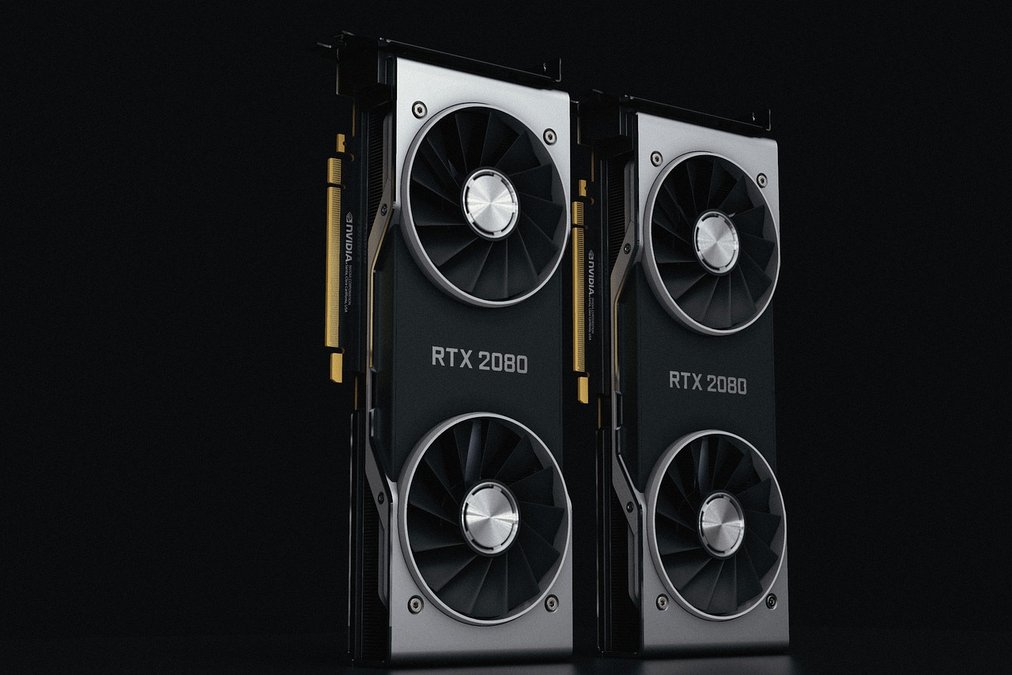
같은 날 엔비디아는 자사의 RTX 그래픽카드와 Gemma 4를 결합한 솔루션을 발표했습니다. 엔비디아 블로그에 따르면, 이 기술은 ‘RTX에서 Spark까지 로컬 에이전트 AI를 가속화’한다고 설명됩니다. 여기서 RTX는 엔비디아의 고성능 그래픽카드 브랜드이고, ‘로컬’이란 클라우드가 아닌 내 컴퓨터에서 직접 돌아간다는 의미입니다.
엔비디아는 ‘오픈 모델이 온디바이스 AI의 새로운 물결을 이끌고 있으며, 혁신이 클라우드를 넘어 일상 기기로 확장되고 있다’고 강조했습니다. 이는 중요한 변화입니다. 지금까지 강력한 AI는 대부분 인터넷에 연결된 서버에서 작동했습니다. 하지만 이제는 내 노트북이나 데스크톱에서도 똑같이 똑똑한 AI를 쓸 수 있게 된다는 뜻입니다.
왜 이게 중요할까요? 첫째, 속도가 빨라집니다. 인터넷을 거치지 않으니 즉각 반응합니다. 둘째, 개인정보가 안전합니다. 내 데이터가 외부 서버로 나가지 않으니까요. 셋째, 인터넷이 없어도 작동합니다. 비행기 안이나 지하철에서도 AI 비서를 쓸 수 있습니다.
엔비디아는 특히 ‘로컬의 실시간 맥락에 접근할 수 있어야 의미 있는 통찰을 행동으로 전환할 수 있다’고 설명했습니다. 쉽게 말해, AI가 내 컴퓨터에 있는 파일, 내가 지금 보고 있는 화면, 내가 쓰는 앱들을 직접 보면서 더 똑똑하게 도와줄 수 있다는 뜻입니다.
구글, Gemini API에 비용과 안정성 조절 기능 추가
같은 날 구글 AI 블로그는 Gemini API에 새로운 기능을 추가했다고 발표했습니다. API란 개발자들이 구글의 AI를 자신의 앱이나 서비스에 연결해서 쓸 수 있게 해주는 통로입니다. 구글은 이번에 ‘비용과 안정성의 균형을 맞추는 새로운 방법’을 소개했습니다.
이는 마치 배달 앱에서 ‘빠른 배달’과 ‘저렴한 배달’을 선택할 수 있는 것과 비슷합니다. 중요한 서비스라면 비용을 더 내더라도 안정적이고 빠른 응답을 선택할 수 있고, 덜 중요한 작업이라면 저렴한 옵션을 고를 수 있습니다. 이런 유연성은 스타트업이나 중소기업이 AI 서비스를 도입할 때 예산에 맞춰 조절할 수 있게 해줍니다.
구글 Vids, AI 영상 제작을 무료로 제공
구글은 4월 2일 구글 Vids를 무료로 제공한다고 발표했습니다. 구글 Vids는 AI를 활용한 영상 제작 도구로, 복잡한 편집 기술 없이도 전문적인 영상을 만들 수 있게 해줍니다. 구글 워크스페이스 블로그에 따르면, 이 도구는 Lyria와 Veo 기술을 업데이트했다고 합니다.
이는 중요한 의미를 가집니다. 지금까지 영상 제작은 전문가의 영역이었습니다. 하지만 AI가 스토리보드를 짜고, 장면을 구성하고, 편집까지 도와주면 누구나 쉽게 영상 콘텐츠를 만들 수 있습니다. 교육 자료를 만드는 선생님, 제품을 홍보하는 소상공인, 프레젠테이션을 준비하는 직장인 모두에게 유용한 도구가 될 것입니다.
엔비디아, 로봇공학 주간에 물리적 AI 연구 성과 공개
4월 4일 미국의 국가 로봇공학 주간을 맞아 엔비디아는 물리적 AI 분야의 최신 연구 성과와 혁신을 소개했습니다. 엔비디아 블로그는 ‘AI를 물리적 세계로 가져오는 혁신’을 강조하며, 농업, 제조, 에너지 등 다양한 산업을 변화시키는 로봇들의 성장을 조명했습니다.
물리적 AI란 화면 속 AI가 아니라 실제 세계에서 움직이고 작동하는 AI를 말합니다. 로봇이 공장에서 부품을 조립하고, 농장에서 작물을 수확하고, 창고에서 물건을 옮기는 것이 모두 물리적 AI의 영역입니다. 엔비디아는 로봇 학습, 시뮬레이션, 파운데이션 모델의 발전이 이런 변화를 가능하게 했다고 설명했습니다.
시뮬레이션이란 실제 환경을 컴퓨터로 재현해서 로봇을 훈련시키는 것입니다. 예를 들어 로봇이 실제 공장에서 수천 번 실수하며 배우는 대신, 가상 공장에서 수백만 번 연습한 뒤 실전에 투입되는 것입니다. 이는 비용도 절약하고 안전사고도 예방합니다.
AI 업계가 향하는 방향: 개방성과 접근성
이번 주 발표들을 종합하면 AI 업계가 명확한 방향으로 움직이고 있음을 알 수 있습니다. 첫째, 오픈 모델의 부상입니다. 구글 같은 거대 기업이 최신 기술을 무료로 공개하는 것은 AI를 소수의 전유물이 아닌 모두의 도구로 만들겠다는 의지를 보여줍니다.
둘째, 온디바이스 AI로의 전환입니다. 클라우드에 의존하지 않고 개인 기기에서 직접 AI를 실행하는 것은 속도, 보안, 접근성 모든 면에서 이점이 있습니다. 엔비디아와 구글의 협력은 이런 전환을 가속화할 것입니다.
셋째, 비용 장벽의 해소입니다. 구글 Vids를 무료로 제공하고, Gemini API에 유연한 가격 옵션을 추가한 것은 더 많은 사람과 기업이 AI를 활용할 수 있게 만듭니다. 특히 예산이 제한적인 스타트업이나 교육 기관에 큰 도움이 될 것입니다.
넷째, 물리적 세계로의 확장입니다. AI가 화면 속에만 머물지 않고 로봇을 통해 실제 산업 현장에서 작동하면서, 생산성 향상과 노동력 부족 문제 해결에 기여할 것입니다.
한국 AI 생태계에 주는 시사점
이런 글로벌 흐름은 한국 AI 생태계에도 중요한 시사점을 던집니다. 네이버와 카카오 같은 국내 기업들도 오픈 모델 전략을 고려해야 할 시점입니다. 또한 온디바이스 AI 기술 개발에 투자하고, 로컬 맥락을 활용한 서비스를 개발해야 글로벌 경쟁력을 유지할 수 있습니다.
특히 한국은 반도체와 하드웨어 강국입니다. 엔비디아의 RTX 같은 하드웨어와 AI 소프트웨어를 결합하는 분야에서 삼성전자나 SK하이닉스가 새로운 기회를 찾을 수 있습니다. 또한 제조업 강국으로서 물리적 AI와 로봇 기술을 산업 현장에 적용하는 데 앞장설 수 있습니다.
교육 분야에서도 변화가 필요합니다. 구글 Vids 같은 도구가 무료로 제공되면서, 학생들이 AI를 활용한 콘텐츠 제작을 배울 기회가 늘어납니다. 학교와 대학은 이런 도구를 교육과정에 통합해서 미래 인재를 양성해야 합니다.
앞으로의 전망
2026년은 AI가 클라우드에서 개인 기기로, 화면에서 물리적 세계로 확장되는 전환점이 될 것입니다. 구글과 엔비디아의 협력은 이런 변화를 주도하고 있으며, 오픈 모델과 무료 도구의 확산은 AI 민주화를 가속화할 것입니다.
앞으로 몇 년 안에 우리는 노트북에서 클라우드 못지않은 AI 성능을 경험하게 될 것입니다. 영상 제작, 문서 작성, 데이터 분석 같은 작업이 AI의 도움으로 몇 분 만에 끝나게 될 것입니다. 공장과 농장에서는 로봇이 사람과 협력하며 일하는 모습이 일상이 될 것입니다.
이런 변화는 기회이자 도전입니다. 새로운 기술을 빠르게 습득하고 활용하는 개인과 기업은 경쟁력을 높일 것이고, 변화에 뒤처지는 쪽은 도태될 것입니다. 중요한 것은 이런 기술이 더 이상 소수의 전문가나 거대 기업만의 것이 아니라는 점입니다. 누구나 접근할 수 있고, 배울 수 있고, 활용할 수 있는 시대가 열리고 있습니다.
In the first week of April 2026, the AI industry fired a signal flare for a massive shift from cloud to personal devices. With Google DeepMind’s release of the Gemma 4 open model and NVIDIA’s RTX acceleration technology coming together, a new era is dawning where AI no longer resides only in massive data centers but operates directly on devices in our hands.
Gemma 4 Sets New Standard for Open Models
On April 2nd, Google DeepMind unveiled Gemma 4 with the confident claim of being ‘byte for byte, the most capable open models.’ Here, ‘byte for byte’ refers to performance relative to model size—in simple terms, it means that for the same capacity, it outperforms any other open model. This is similar to having a battery of the same weight that lasts longer.
Google stated that Gemma 4 is ‘purpose-built for advanced reasoning and agentic workflows.’ Reasoning refers to AI’s ability to solve problems logically rather than simply providing answers. Agentic workflows mean AI can connect and handle multiple tasks on its own—for example, when asked to ‘plan a trip,’ it checks weather, searches hotels, and creates an itinerary autonomously.
An open model is an AI model that anyone can download for free and use or modify freely. Like open-source software, companies and developers can adapt it to their needs. Google’s decision to release its latest technology as an open model is interpreted as a strategy to grow the entire AI ecosystem.
NVIDIA Brings Gemma 4 to Personal PCs
On the same day, NVIDIA announced a solution combining its RTX graphics cards with Gemma 4. According to NVIDIA’s blog, this technology ‘accelerates local agentic AI from RTX to Spark.’ Here, RTX is NVIDIA’s high-performance graphics card brand, and ‘local’ means it runs directly on your computer rather than in the cloud.
NVIDIA emphasized that ‘open models are driving a new wave of on-device AI, extending innovation beyond the cloud to everyday devices.’ This is a significant shift. Until now, powerful AI mostly operated on internet-connected servers. But now it means you can use equally intelligent AI on your laptop or desktop.
Why does this matter? First, speed increases. Without going through the internet, responses are instant. Second, privacy is protected. Your data doesn’t leave for external servers. Third, it works without internet. You can use your AI assistant on airplanes or subways.
NVIDIA particularly explained that ‘access to local, real-time context can turn meaningful insights into action.’ Simply put, AI can help more intelligently by directly seeing files on your computer, what you’re viewing on screen, and the apps you’re using.
Google Adds Cost and Reliability Controls to Gemini API
On the same day, Google AI Blog announced new features added to the Gemini API. An API is a gateway that allows developers to connect Google’s AI to their own apps or services. Google introduced ‘new ways to balance cost and reliability.’
This is similar to choosing between ‘fast delivery’ and ‘cheap delivery’ in a delivery app. For critical services, you can choose stable and fast responses even at higher cost, while for less important tasks, you can select cheaper options. This flexibility enables startups and small businesses to adjust according to their budget when adopting AI services.
Google Vids Offers AI Video Creation for Free
On April 2nd, Google announced that Google Vids would be offered for free. Google Vids is an AI-powered video creation tool that enables professional video production without complex editing skills. According to the Google Workspace blog, the tool has updated its Lyria and Veo technologies.
This carries significant meaning. Until now, video production was the domain of professionals. But when AI helps with storyboarding, scene composition, and editing, anyone can easily create video content. It will be a useful tool for teachers creating educational materials, small business owners promoting products, and office workers preparing presentations.
NVIDIA Showcases Physical AI Research During National Robotics Week
On April 4th, coinciding with National Robotics Week in the United States, NVIDIA introduced the latest research achievements and innovations in physical AI. NVIDIA’s blog emphasized ‘breakthroughs bringing AI into the physical world’ and highlighted the growing wave of robots transforming industries from agriculture and manufacturing to energy.
Physical AI refers to AI that moves and operates in the real world, not just on screens. Robots assembling parts in factories, harvesting crops on farms, and moving goods in warehouses all fall within the realm of physical AI. NVIDIA explained that advancements in robot learning, simulation, and foundation models have enabled these changes.
Simulation means recreating real environments on computers to train robots. For example, instead of a robot making thousands of mistakes in an actual factory while learning, it practices millions of times in a virtual factory before deployment. This saves costs and prevents safety accidents.
AI Industry Direction: Openness and Accessibility
Synthesizing this week’s announcements reveals the AI industry is moving in a clear direction. First, the rise of open models. Giant companies like Google releasing cutting-edge technology for free demonstrates a commitment to making AI a tool for everyone, not the exclusive property of a few.
Second, the shift to on-device AI. Running AI directly on personal devices without relying on the cloud offers advantages in speed, security, and accessibility. The collaboration between NVIDIA and Google will accelerate this transition.
Third, removing cost barriers. Offering Google Vids for free and adding flexible pricing options to the Gemini API enables more people and companies to utilize AI. This will particularly help startups and educational institutions with limited budgets.
Fourth, expansion into the physical world. As AI operates not just on screens but in actual industrial sites through robots, it will contribute to productivity improvements and solving labor shortage problems.
Implications for Korea’s AI Ecosystem
These global trends offer important implications for Korea’s AI ecosystem. Korean companies like Naver and Kakao should consider open model strategies at this juncture. Additionally, investing in on-device AI technology development and creating services leveraging local context is necessary to maintain global competitiveness.
Korea is particularly strong in semiconductors and hardware. Companies like Samsung Electronics and SK Hynix can find new opportunities in combining hardware like NVIDIA’s RTX with AI software. As a manufacturing powerhouse, Korea can also lead in applying physical AI and robotics to industrial sites.
Changes are needed in education as well. With tools like Google Vids being offered for free, opportunities increase for students to learn AI-powered content creation. Schools and universities should integrate such tools into curricula to nurture future talent.
Future Outlook
2026 will be a turning point where AI expands from cloud to personal devices, from screens to the physical world. Google and NVIDIA’s collaboration is leading this change, and the spread of open models and free tools will accelerate AI democratization.
Within a few years, we will experience AI performance on laptops comparable to the cloud. Tasks like video creation, document writing, and data analysis will be completed in minutes with AI assistance. In factories and farms, robots working alongside humans will become everyday reality.
This change is both opportunity and challenge. Individuals and companies that quickly learn and utilize new technologies will enhance competitiveness, while those falling behind will be left out. What’s important is that these technologies are no longer exclusive to a few experts or giant corporations. An era is opening where anyone can access, learn, and utilize them.