지도 없는 레이싱부터 근육형 로봇까지, 로봇 지능의 새로운 진화
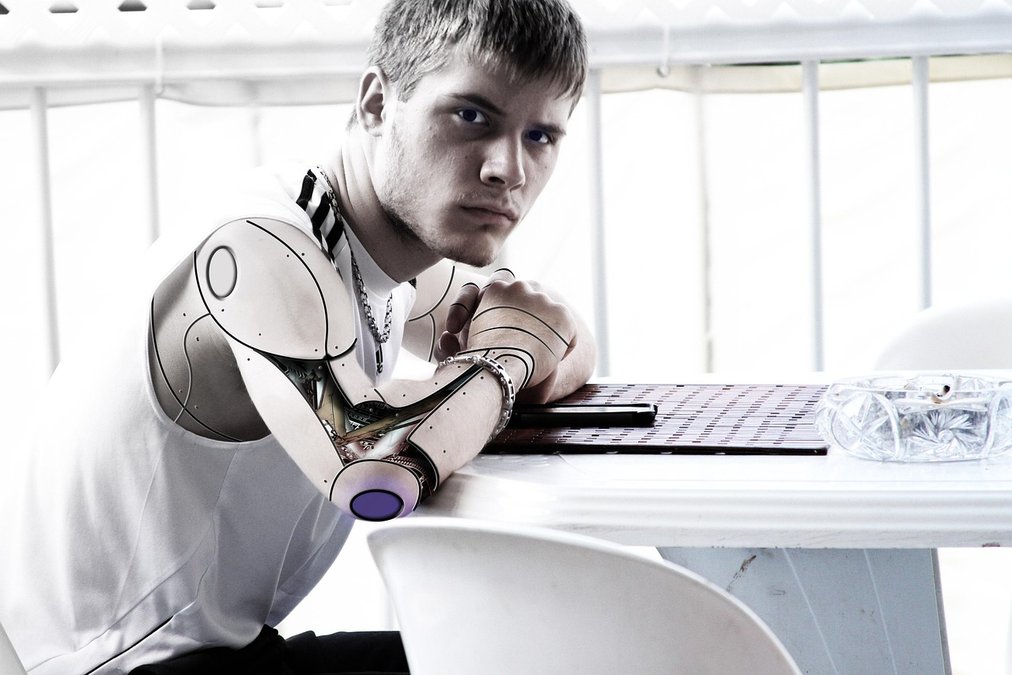
최근 arXiv에 공개된 최신 로봇공학 연구들은 로봇이 단순히 정해진 명령을 수행하는 단계를 넘어, 복잡하고 불확연한 환경에서 스스로 판단하고 적응하는 ‘자율적 지능’의 단계로 진입하고 있음을 보여줍니다. 특히 물리 법칙을 학습에 결합하거나, 실제 근육과 유사한 복잡한 구동기를 제어하는 기술은 로봇이 제조업의 자동화 라인을 넘어 서비스업과 물류, 심지어 극한의 환경까지 진출할 수 있는 발판을 마련하고 있습니다. 이번 기사에서는 최근 발표된 세 가지 핵심 연구를 통해 로봇 기술의 패러다임 변화를 심도 있게 분석해보겠습니다.
1. 지도 없이 달리는 자율주행 레이싱: 물리 법칙을 학습에 입히다
자율주행 기술의 궁극적인 목표 중 하나는 사전에 구축된 정밀 지도(HD Map) 없이도 처음 가보는 길을 안전하고 빠르게 주행하는 것입니다. 최근 Shathushan Sivashangaran 연구팀이 발표한 연구는 ‘물리 기반 강화학습(Physics-Informed Reinforcement Learning)’을 통해 이 난제를 해결하려는 시도를 보여줍니다. 기존의 방식이 단순히 센서 데이터와 차량 움직임 사이의 상관관계를 학습하는 데 그쳤다면, 이 연구는 물리적 밀도 및 속도 포텐셜(Spatial Density Velocity Potentials)이라는 개념을 도입했습니다.
물리 기반 학습이 왜 중요한가?
일반적인 강화학습은 로봇이 수많은 시행착오를 거치며 최적의 행동을 찾아가는 방식입니다. 하지만 레이싱처럼 찰나의 순간에 타이어 마찰력의 한계치까지 가속해야 하는 극한의 상황에서는 무작정 부딪히며 배우기에는 비용과 위험이 너무 큽니다. 연구팀은 여기에 물리 법칙을 수학적 제약 조건으로 포함시켰습니다. 이를 통해 로봇은 센서 데이터로부터 차량의 구동 제어와 위치 추정을 동시에 수행하면서도, 물리적으로 가능한 움직임의 범위를 미리 인지한 상태에서 학습할 수 있습니다. 이는 지도 없이도 트랙의 구성을 예측하고 대응할 수 있는 ‘일반화 능력’을 높여주는 핵심 기술입니다.
2. 근육형 로봇의 한계 극복: 시뮬레이션과 현실의 간극을 메우는 기술
로봇의 움직임을 더 빠르고 안전하게 만들기 위해 최근 연구자들은 인공적인 모터 대신 생명체의 ‘근육’과 유사한 구동 방식을 주목하고 있습니다. Jan Schneider 연구팀의 연구는 힘줄(Tendon)과 부드러운 근육 구동기(Muscle-actuated)를 사용하는 로봇의 제어 문제를 다룹니다. 근육형 구동기는 유연성이 뛰어나 외부 충격을 흡수할 수 있고 훨씬 역동적인 움직임이 가능하지만, 제어 측면에서는 매우 까다로운 숙제를 안겨줍니다.
부드러운 재질의 특성상 비선형성(입력과 출력의 관계가 일정하지 않음), 마찰력, 히스테리시스(이전 상태에 따라 현재 반응이 달라지는 현상) 등 예측하기 어려운 변수가 너무 많기 때문입니다. 이러한 복잡성 때문에 시뮬레이션(가상 환경)에서 학습시킨 인공지능을 실제 로봇에 적용했을 때 제대로 작동하지 않는 ‘Sim-to-Real Gap’ 문제가 발생합니다.
범용 액추에이터 네트워크의 역할
연구팀은 이를 해결하기 위해 ‘범용 액추에이터 네트워크(Generalized Actuator Networks)’를 제안했습니다. 복잡한 물리적 특성을 가진 구동기를 신경망 모델로 학습시켜, 시뮬레이션 환경이 실제 로봇의 물리적 특성을 최대한 정밀하게 모사할 수 있도록 만든 것입니다. 이 기술이 완성되면 로봇은 실제 근육과 같은 부드러운 구동기를 사용하면서도, 마치 딱딱한 모터를 사용하는 로봇처럼 정밀하고 안정적인 제어가 가능해집니다. 이는 재난 구조용 로봇이나 인간과 상호작용하는 서비스 로봇의 안전성을 비약적으로 높일 수 있는 기술입니다.
3. 4족 보행 로봇의 안전한 움직임: 위험을 인지하는 제어 프레임워크
마지막으로 Zukun Zhang 연구팀은 4족 보행 로봇(Quadruped Robot)의 보행 안정성과 안전성을 확보하기 위한 ‘SafeMind’ 프레임으로 주목받는 연구를 발표했습니다. 현재의 학습 기반 4족 보행 로봇들은 매우 민첩한 움직임을 보여주지만, 예측할 수 없는 지형이나 센서의 노이즈, 불확실한 접지 조건(Contact conditions)이 발생했을 때 로봇이 넘어지거나 사고를 일으킬 위험이 큽니다. 즉, ‘지능은 높지만 안전 보장은 부족한’ 상태입니다.
차분 가능한 제어(Differentiable Control)와 위험 인지
‘SafeMind’는 위험을 인지할 수 있는 차분 가능한 제어 프레워크를 제공합니다. 여기서 ‘차분 가능하다’는 표현은 수학적으로 기울기(Gradient)를 계산할 수 있다는 뜻으로, 로봇이 자신의 움직임이 가져올 위험을 수학적으로 예측하고 그 오차를 줄여나갈 수 있음을 의미합니다. 모델의 불확실성이나 외부의 충격이 발생하더라도 로봇이 스스로 위험 수치를 계산하고, 안전 범위를 벗어나지 않도록 제어 경로를 실시간으로 수정할 수 있게 돕습니다. 이는 로봇이 공장이나 가정집 같은 일상적인 공간에서 사람과 함께 활동하기 위해 반드시 필요한 ‘안전 가이드라인’ 역할을 수행하게 됩니다.
종합 분석: 로봇 산업에 미치는 영향
이번에 소개된 연구들을 관통하는 핵심 키뮬은 ‘불확실성의 통제’입니다. 물리 법칙을 학습에 결합하여 예측 가능성을 높이고(레이싱 연구), 복잡한 물리적 변수를 모델링하여 시뮬레이션의 한계를 극복하며(근육형 로봇 연구), 위험을 수학적으로 계산하여 안전을 보장하는(4족 보행 연구) 흐름은 로봇 기술이 단순한 자동화를 넘어 ‘신뢰 가능한 자율성’으로 나아가고 있음을 시사합니다.
이러한 기술적 진보는 제조업 분야에서는 로봇의 정밀도를 높여 공정 효율을 극대화할 것이며, 서비스업 분야에서는 로봇이 인간의 생활 공간에 안전하게 침투할 수 있는 기술적 근거를 제공할 것입니다. 특히 근육형 구동 기술과 안전 제어 기술의 결합은 로봇이 물류 창고의 험지나 재난 현장과 같은 불규칙한 환경에서도 사람을 대신해 임무를 수행할 수 있는 시대를 앞당길 것으로 기대됩니다. 로봇은 이제 단순한 기계를 넘어, 물리 세계의 법칙을 이해하고 스스로 안전을 도모하며 움직이는 ‘지능형 동반자’로 진화하고 있습니다.
Recent research in robotics, as revealed in the latest papers from arXiv, demonstrates that robots are moving beyond simply executing pre-defined commands toward a stage of ‘autonomous intelligence’ capable of making independent decisions and adapting to complex, uncertain environments. In particular, technologies that integrate physical laws into learning or control complex actuators similar to biological muscles are laying the groundwork for robots to expand beyond automated factory lines into service industries, logistics, and even extreme environments. In this article, we will deeply analyze three key research breakthroughs presented recently.
1. Mapless Autonomous Racing: Embedding Physical Laws into Learning
One of the ultimate goals of autonomous driving technology is to navigate through previously unseen roads safely and quickly without the use of pre-built High-Definition (HD) Maps. The research published by Shathushan Sivashangaryun’s team addresses this challenge using ‘Physics-Informed Reinforcement Learning.’ While traditional methods were limited to learning the correlation between sensor data and vehicle movement, this research introduces the concept of ‘Spatial Density Velocity Potentials.’
Why is Physics-Informed Learning Crucial?
Standard reinforcement learning relies on trial and error, where a robot learns the optimal behavior through numerous attempts. However, in extreme scenarios like racing, where a vehicle must accelerate at the very limits of tire friction in a split second, the cost and risk of random trial and error are too high. The research team incorporated physical laws as mathematical constraints. This allows the robot to perform simultaneous localization and end-to-end control from sensor data, while pre-emptively recognizing the range of physically possible movements. This is a key technology for enhancing ‘generalization capability,’ enabling the robot to predict and respond to various racetrack configurations without a map.
2. Overcoming the Limits of Muscle-Actuated Robots: Bridging the Sim-to-Real Gap
To make robotic movements faster and safer, researchers are focusing on actuators similar to biological ‘muscles’ rather than conventional electric motors. The research by Jan Schneider’s team deals with the control challenges of robots using tendon drives paired with soft muscle actuation. While muscle-like actuators allow for greater flexibility and impact absorption, they introduce significant complexities, such as non-linearity, hysteresis, and unpredictable dynamics.
To address this, the researchers utilized a method to bridge the gap between simulation and reality. By addressing the complexities of the actuator’s behavior, they aim to overcome the ‘Sim-to-Real’ gap, where the discrepancy between simulation and reality often prevents successful deployment of trained policies.
3. Safety in Quadrupedal Robots: Ensuring Reliable Motion
The third pillar of recent advancements involves ensuring the stability of quadrupedal robots. The research focuses on the challenge of maintaining locomotion stability in unpredictable environments. By implementing advanced control strategies, the goal is to ensure that robots can navigate uneven terrain and recover from disturbances without losing balance.
Conclusion: The Future of Autonomous Systems
The convergence of physics-informed learning, advanced muscle-like actuation, and robust control strategies for legged robots represents a significant leap forward in robotics. As these technologies mature, we can expect a new generation of autonomous systems capable of performing complex tasks in unstructured and unpredictable environments, much like biological organisms.
댓글 남기기